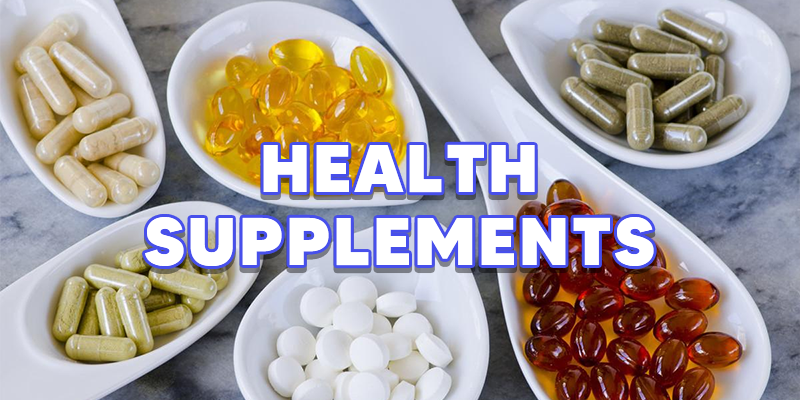

In the vast array of dietary supplements, distinguishing truly effective and safe options from overhyped ones can be challenging. With promises of optimized health and longevity, how do we identify which nutritional supplements are backed by solid scientific evidence and which are merely trendy? In this article, we will discuss nutritional supplements supported by strong scientific evidence.
Creatine
Creatine is a compound composed of the amino acids L-arginine, glycine, and L-methionine. It plays a crucial role in energy metabolism, muscle performance, and recovery. Creatine can also enhance high-intensity exercise capacity and increase lean body mass (not fat). Initial concerns about its safety have been debunked. Research shows that creatine does not cause hair loss, increase uric acid levels, harm the kidneys of healthy individuals, or lead to dehydration or muscle cramps.
New evidence suggests that creatine supplementation can increase creatine stores in muscles and the brain. This is particularly important during stressful periods, such as sleep deprivation and aging, as stress can reduce brain creatine levels. A 2022 meta-analysis (a study combining multiple research results) showed that creatine supplementation improves memory in healthy individuals, especially the elderly (aged 66 to 76).
The typical dosage of creatine is 5 mg of creatine monohydrate daily. Powdered creatine has low solubility in cold and room-temperature water, so it should be mixed with warm water.
Protein Powder
Stronger muscles are associated with lower mortality from various causes. Therefore, it is crucial to maximize muscle strength in youth, maintain it in middle age, and minimize muscle loss in old age. Nutrition and exercise training can slow or reverse muscle weakness, dysfunction, and disability, which is why medical guidelines recommend increasing protein intake.
Some studies report that mice on low-protein diets live longer, leading some to suggest low-protein diets for longevity. However, this has not been proven in humans. We need to maintain muscle strength to preserve independence and disease resistance as we age. Additionally, a 2020 study found that higher total protein intake is associated with lower all-cause mortality, supporting the scientific recommendation of 1.6-2.2 grams of dietary protein per kilogram of body weight daily. Note that exceeding 1.62 grams per kilogram daily does not further enhance muscle mass gains from resistance training. Older adults should aim for 2 grams of protein per kilogram daily (e.g., 160 grams for an 80 kg person). Higher protein intake can help older adults offset muscle loss, as their digestive systems absorb protein less efficiently than younger individuals.
The International Society of Sports Nutrition recommends consuming multiple protein meals throughout the day, spaced 3-4 hours apart. Protein powder has high bioavailability and should ideally be free of added salt and sugar. It can be mixed into smoothies and shakes.
Trimethylglycine (TMG or Betaine)
TMG helps accelerate the cycle of adenosine triphosphate (ATP, the cell’s energy currency). This promotes muscle protein synthesis and enhances exercise performance by preventing fatigue during high-intensity activities.
A 2017 systematic review indicated that TMG supplements only increase strength and power when combined with exercise training. TMG may be particularly effective in high metabolic demand training environments. For example, TMG can improve maximal oxygen uptake (aerobic capacity) and repeated sprint ability in professional adolescent soccer players. In contrast, TMG supplementation does not affect strength and power performance in untrained individuals, regardless of creatine supplementation.
Homocysteine, an amino acid, increases the risk of Alzheimer’s disease when its blood levels are elevated. Therefore, reducing high homocysteine levels is a promising intervention for Alzheimer’s prevention. TMG may lower blood homocysteine levels. More research is needed on TMG’s impact on dementia incidence, but given current knowledge, the typical TMG dosage ranges from 500 mg to 1 gram daily.
Vitamins and Minerals
A study found that 31% of Americans are at risk of at least one vitamin deficiency or anemia. It is often challenging to meet the recommended daily intake of micronutrients through diet alone, especially for vitamins B3, D3, K2, zinc, and magnesium. A recent large-scale study showed that daily supplementation with multivitamins and minerals for three years may improve overall cognitive function in older adults. Most multivitamin supplements exceed the recommended daily intake, so it is essential to choose supplements that avoid “megadoses” and complement a healthy diet.
Omega-3
Omega-3 fatty acids primarily include three types:alpha-linolenic acid (ALA) , docosahexaenoic acid (DHA), and eicosapentaenoic acid (EPA). ALA is an essential fatty acid (the body cannot produce it), so it must be obtained from food and beverages. The body converts a small amount of ALA into EPA and DHA, but the only way to increase their levels in the body is through food or dietary supplements. EPA and DHA are found in fish oil, krill oil, cod liver oil, and vegetarian products containing algal oil.
Studies consistently show that people who regularly eat fish experience significantly less cognitive decline than those who do not. These findings have led to the hypothesis that Omega-3 marine oil supplements may alleviate cognitive decline, but this hypothesis lacks support from randomized controlled trials. For example, daily Omega-3 supplementation does not improve cognitive function in cognitively healthy older adults, those with age-related macular degeneration, or even those with mild/moderate Alzheimer’s disease. These findings align with multiple meta-analyses showing that Omega-3 supplementation does not affect cognitive function in healthy older adults or Alzheimer’s patients compared to placebo.
The benefits of Omega-3 supplementation may be limited to those who do not regularly consume high-fat fish. In a study of over 25,000 people, daily supplementation with 1 gram of Omega-3 reduced the risk of heart attack by 28%. A Mayo Clinic meta-analysis also supports this conclusion, indicating that Omega-3 supplementation significantly reduces the risk of heart attack. The American Heart Association states that high-dose (4 grams daily) Omega-3 fatty acids are effective and safe for lowering triglyceride levels.
Factors affecting Omega-3 supplementation efficacy include the dose of DHA and EPA, the EPA to DHA ratio, baseline EPA and DHA status, medication use, health conditions, and the intake of other nutrients. Omega-3 supplements typically come in ethyl ester capsules or bottled liquid, in triglyceride or ethyl ester forms. Absorption increases when supplements are taken with meals containing other fats, in triglyceride rather than ethyl ester form, and without an “enteric coating.” The usual dosage is 1-2 capsules or 5 ml of liquid Omega-3 daily.
Psyllium Husk
Psyllium husk is crucial for our gut bacteria as it is a primary source of soluble fiber. Psyllium husk may help regulate blood sugar levels, soften and increase stool bulk, enhance satiety, and aid in weight management. Higher fiber intake is associated with lower total cholesterol and low-density lipoprotein (LDL) cholesterol. Additionally, psyllium husk may be effective in controlling high blood pressure. A safety concern with psyllium husk supplements is lead contamination, as exposure to this heavy metal can adversely affect the liver, kidneys, nervous system, and cardiovascular system. Therefore, choosing brands tested by third parties for purity and heavy metal content is essential.
Psyllium husk supplements typically come in powder or capsule form. The powder can be mixed into smoothies or shakes. It is advisable to start with a low dose (e.g., half a teaspoon) and gradually increase to 1-2 teaspoons (5-10 grams) daily. It is crucial to consume plenty of fluids (preferably water) when taking psyllium supplements.
Collagen
Collagen is the most abundant protein in our bodies. Amino acids are the building blocks of proteins, and collagen peptides are short chains of amino acids. Therefore, there is much debate about whether collagen peptide supplements offer additional benefits beyond adequate protein intake. A randomized, double-blind, placebo-controlled trial showed that collagen supplements reduce wrinkles by about 8%.
In a 2020 randomized double-blind medical trial, 36 grams of hydrolyzed bovine collagen were compared to 35 grams of soy protein for wound healing in male burn patients. Wound healing rates significantly improved with hydrolyzed collagen supplementation compared to soy protein. (Soy protein has high bioavailability and does not affect estrogen or testosterone levels in men, making it a good comparison.) Additionally, a 2023 meta-analysis found strong evidence that hydrolyzed collagen improves skin hydration and elasticity.
Beyond meeting daily protein intake goals, the typical dosage of collagen peptide supplements is 10-15 grams daily.
Hyaluronic Acid
Hyaluronic acid is a naturally occurring substance in the human body, found in high concentrations in the skin, joints, and eyes. It has unique water-retention properties that help keep tissues moist and lubricated. Although 50% of the body’s hyaluronic acid is found in the skin, its content decreases with age. Several well-designed human trials show that oral hyaluronic acid supplements improve skin hydration, color, thickness, elasticity, firmness, radiance, and softness while reducing wrinkles and preventing dehydration.
Concerns about hyaluronic acid being linked to malignant cell mutations have been addressed, as administering hyaluronic acid to cancer-afflicted mice showed no harmful effects. Human trials lasting at least 12 months also showed no safety issues.
When we consume high-molecular-weight oral hyaluronic acid, gut bacteria break it down into shorter, low-molecular-weight fragments. Although bioavailability varies by molecular weight, both high and low-molecular-weight hyaluronic acid can reduce skin wrinkles and improve radiance and softness. While more research is needed, current literature suggests that the molecular weight of hyaluronic acid in nutritional supplements is unlikely to affect its efficacy. Human trials have used hyaluronic acid doses ranging from 80 mg to 200 mg daily.
Low-Dose Melatonin
Melatonin is a hormone secreted by the pineal gland in the brain. The pineal gland begins secreting melatonin when it gets dark and stops when exposed to light. Melatonin helps regulate the body’s circadian rhythm, making us sleepy at night and alert during the day. This allows us to fall asleep and get a good night’s rest. Studies show that melatonin can help people fall asleep faster and improve sleep quality, but there is still debate about the optimal dosage and timing.
As a “chronobiotic,” melatonin can alter our sleep-wake cycle. Current research supports taking melatonin supplements 1-2 hours before bedtime for optimal effects. In contrast, taking melatonin supplements when the body’s melatonin levels are already high at night has no effect. The body produces 10-80 micrograms of melatonin nightly, but supplement users often take much higher doses. However, more research is needed to determine the long-term effects of high-dose use, so it is recommended not to exceed 300 micrograms daily. Additionally, research in this area is ongoing, and there is no strong evidence that melatonin supplementation reduces mortality or heart disease.
An important consideration in aging is that melatonin, besides affecting sleep, has antioxidant and anti-inflammatory properties. As we age, melatonin secretion decreases tenfold, and this reduction exacerbates the aging process. This can create a vicious cycle—melatonin decreases with age, inflammation increases, further reducing melatonin production. Therefore, to restore melatonin levels to a more youthful state, older adults should consider taking low-dose, extended-release melatonin supplements 1-2 hours before bedtime.
N-Acetylcysteine (NAC)
NAC is a compound derived from the amino acid L-cysteine. As we age, reactive oxygen species (oxidants) increase to sustain survival. However, they eventually accumulate and exacerbate age-related damage rather than mitigate it. Maintaining a balance between oxidants and antioxidants is crucial, but from the age of 45, a potent antioxidant called glutathione rapidly declines. Therefore, it is recommended to restore the balance between oxidants and antioxidants by supplementing with glutathione’s components: glycine, cysteine, and glutamate.
Unlike other supplements on this list, NAC research is still in its early stages. However, a 2022 randomized, double-blind, placebo-controlled trial showed that older adults supplementing with glycine and NAC (GlyNAC) may improve glutathione deficiency, reduce oxidative stress, and enhance mitochondrial dysfunction. Given that collagen and TMG supplements (discussed earlier) contain glycine, those taking collagen or glycine may consider adding 1 gram of NAC daily starting at age 45.
Conclusion
Supplements can help address specific nutrient deficiencies, health issues, or optimize body structure/function. However, it is recommended to obtain nutrients from high-quality diets before turning to supplements. Additionally, supplements should be used cautiously to ensure safety.
Consulting a qualified healthcare professional based on your health status, current medications, and health goals can help determine the right supplements for your needs. The nutritional supplements discussed here show promise, but in most cases, more randomized controlled trials are needed to confirm their benefits, optimal dosages, timing, and contraindications.
This blog post provides an overview of some of the best health supplements supported by scientific evidence. Always consult with a healthcare provider before starting any new supplement regimen.